Time is not a line. It is a living structure.
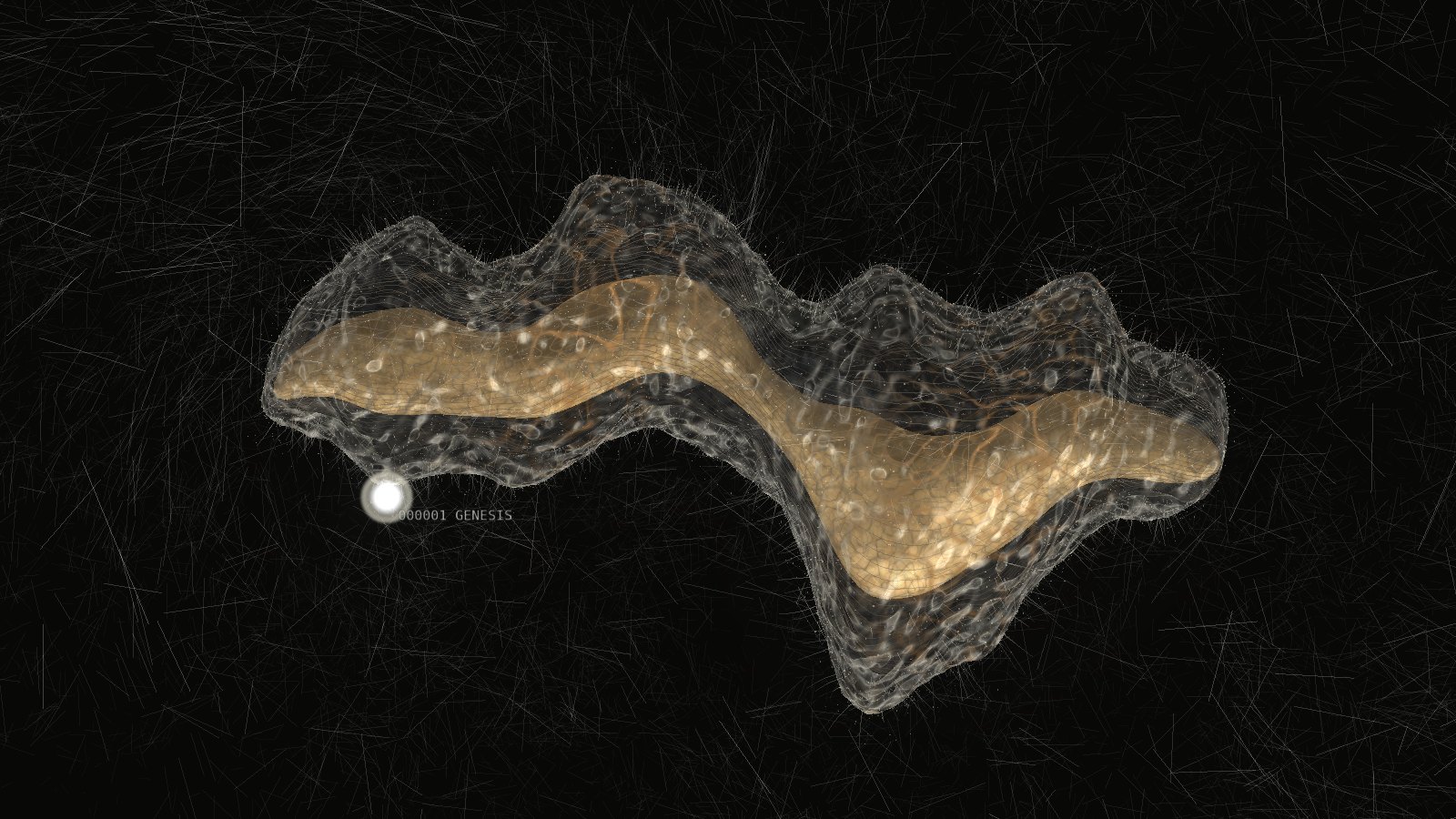
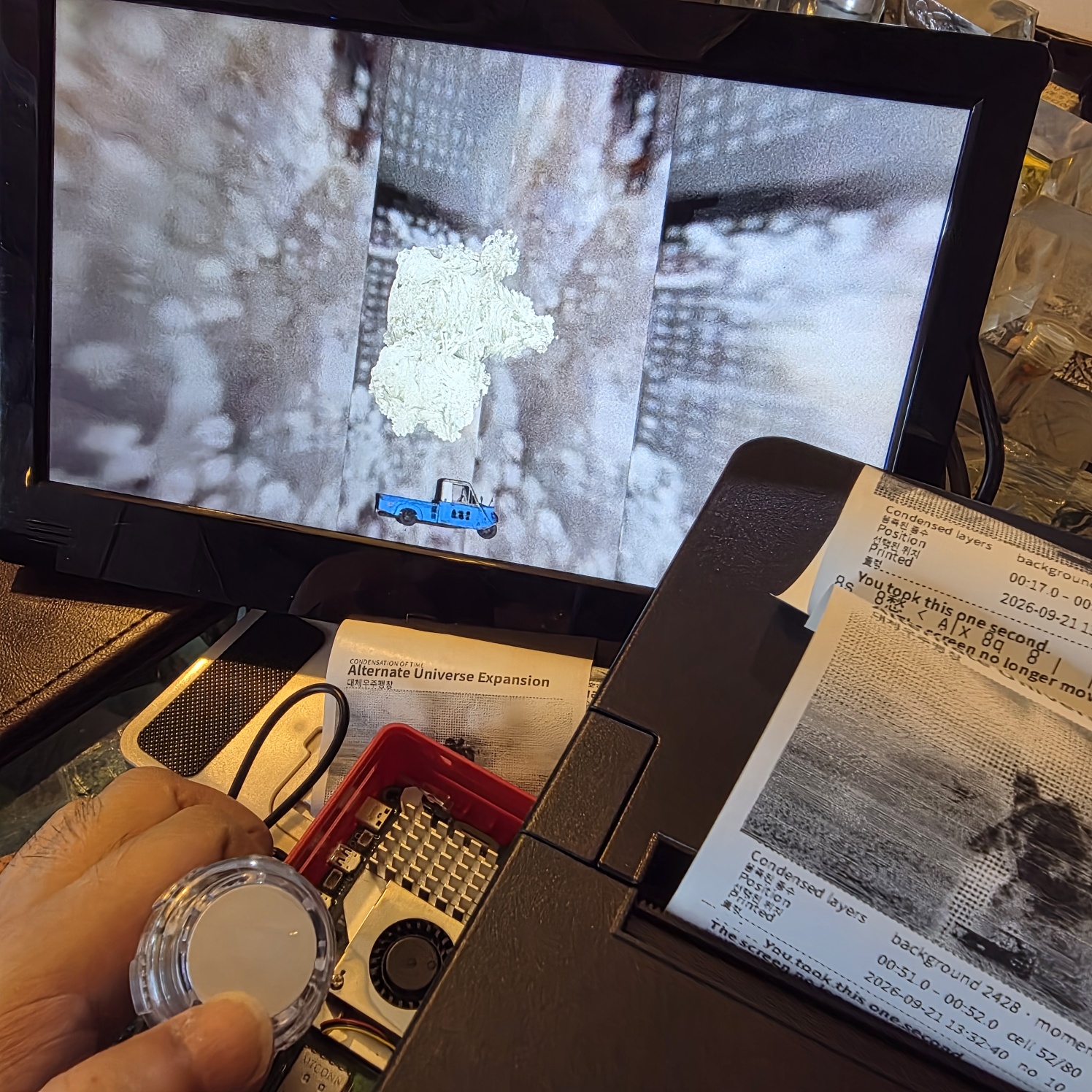
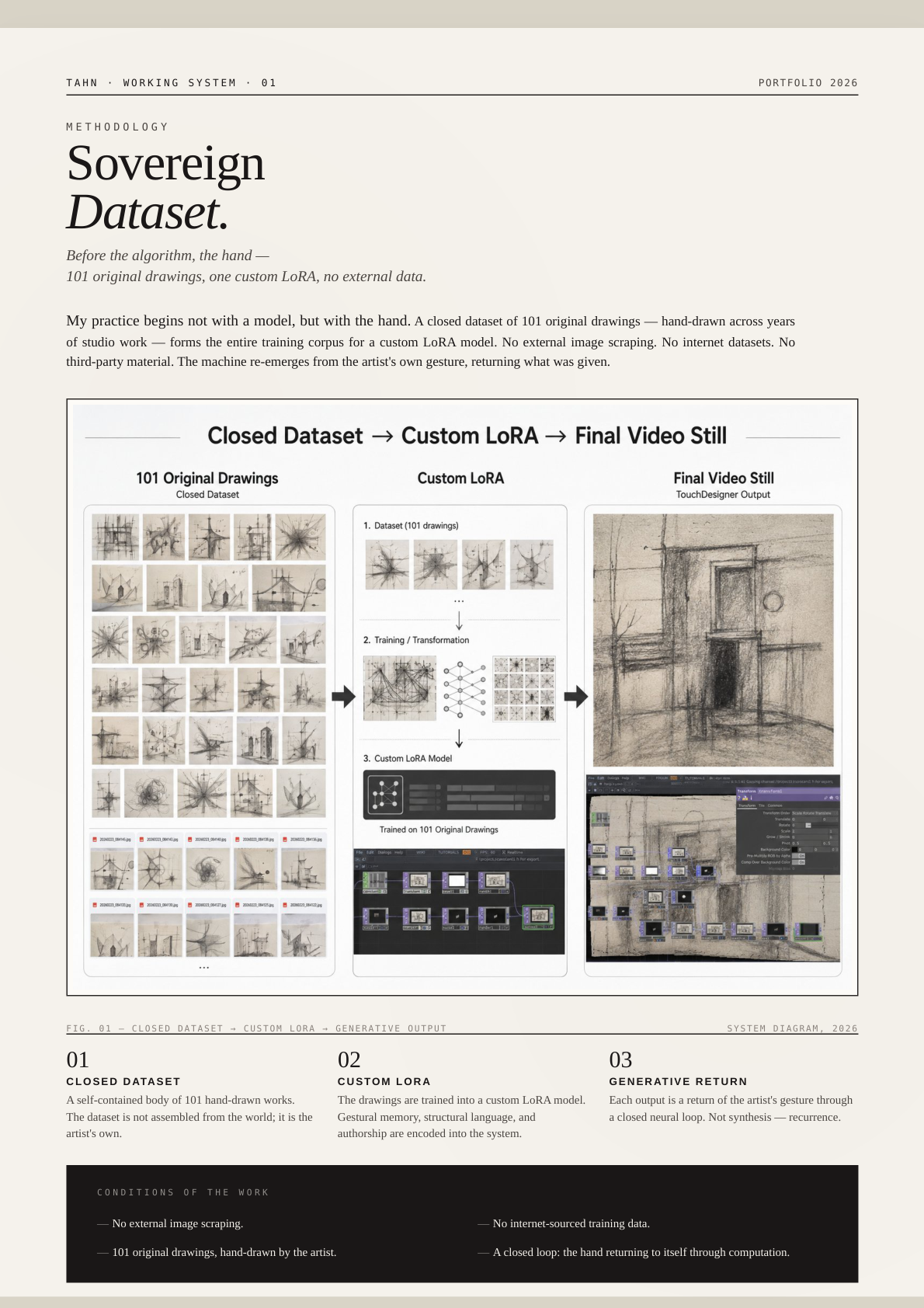
I build artworks that remember. Signals from bodies, places and planetary systems become structural traces; the next event encounters what the previous one has left. My practice has developed through a closed artist-owned dataset + custom LoRA, live sensing, participatory archives and no-reset systems. These lines now converge in Living Universe Systems.
I was born into a country that had just emerged from the devastation of war. My parents’ generation fought for survival and reconstruction; my generation inherited a different war, one of identity, adaptation, and attention in an accelerated technological era.
Standardized vision is one of the pressures my work tests: who defines a normal observer, and what becomes illegible when one perceptual system is treated as universal? Structure, density, texture, interval, fracture, luminance, and spatial pressure therefore operate as parallel perceptual languages rather than secondary substitutes for color.
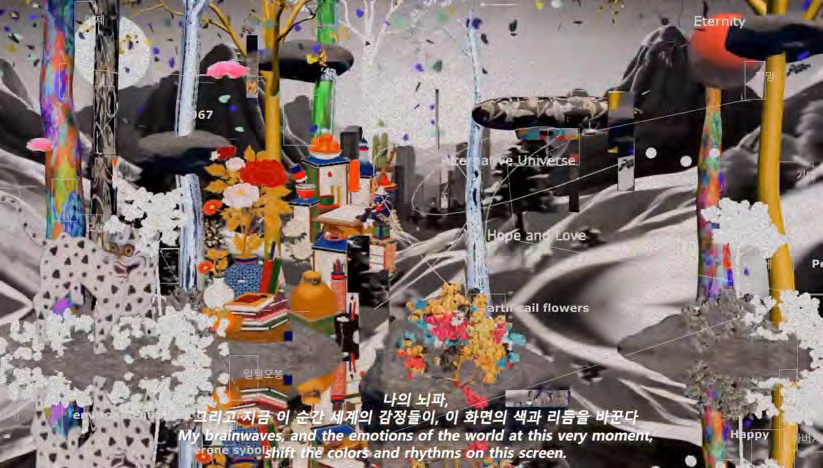
My work brings Korean symbolic systems such as Ilwolobongdo, moon jars, folk talismans, and ritual architectures into contact with computational vision, EEG, breath, environmental signals, and generative systems. I do not use technology to decorate tradition. I use it to test how inherited forms persist, mutate, and acquire new agency under contemporary conditions.
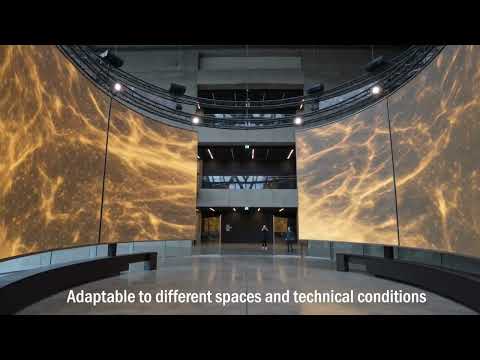
In my installations, time is not a neutral background. It is a material. Memory is not an archive. It is a living organism. The audience is not a visitor outside the work. They become a force inside its field.